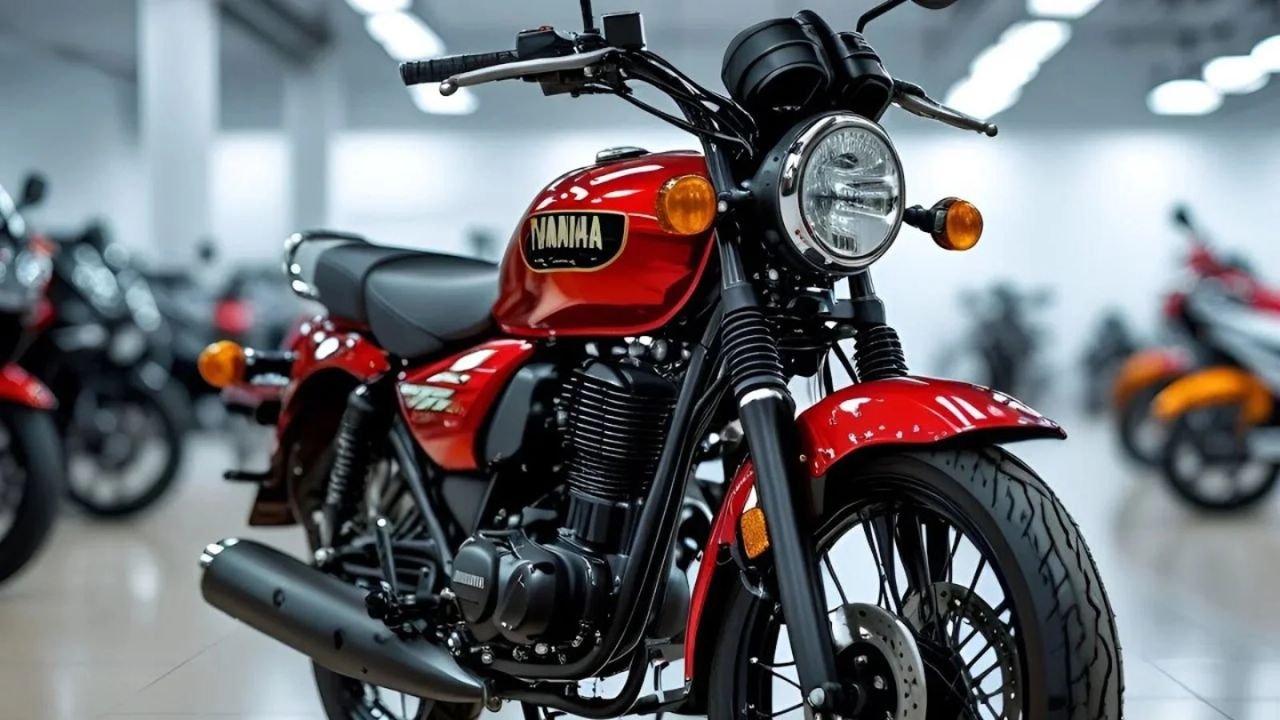

The Yamaha RX100 is not just another motorcycle. It’s a living legend—a roaring reminder of India’s golden era of biking. Back in the late 1980s and early 1990s, this machine ruled the streets and captured the hearts of every young enthusiast who wanted speed, sound, and soul in their ride. Fast forward to 2025, the Yamaha RX100 has made a comeback, and it’s bringing back all that raw excitement in a fresh new style while retaining its classic DNA.
Let’s take a detailed look at what makes the Yamaha RX100 still so iconic, what it offers in its revived form, and why this classic continues to roar even today.
A Glimpse at the Yamaha RX100: Key Highlights
| Feature | Details |
|---|---|
| Engine | 98cc, air-cooled, 2-stroke |
| Power | Approx. 11 HP |
| Gearbox | 4-speed manual transmission |
| Weight | Around 100 kg |
| Top Speed | Up to 100 km/h |
| Brakes | Drum (Front & Rear) |
| Fuel Efficiency | 25-30 km/l (Now upgraded to 50 kmpl*) |
| Suspension | Telescopic front, swingarm rear |
| Production Years | 1985 to 1996 (original version) |
| Legacy | Cultural icon in Indian motorcycling |
The Yamaha RX100: What Made It Special?
When the Yamaha RX100 first rolled into Indian showrooms in 1985, it wasn’t just a new bike—it was a revolution. At a time when most Indian motorcycles focused on practicality and mileage, the RX100 brought something new to the table: thrill.
Its two-stroke 98cc engine produced about 11 HP—modest on paper, but when paired with a lightweight 100 kg frame, it translated into explosive performance. The Yamaha RX100 could outpace many larger bikes with ease, thanks to its exceptional power-to-weight ratio.
Every throttle twist brought instant response, a roaring exhaust note, and a wave of adrenaline. This wasn’t about getting from point A to B—it was about enjoying every second of that ride.
Timeless Design That Still Turns Heads
What truly set the Yamaha RX100 apart was its classic yet sporty design. The teardrop-shaped fuel tank, flat single-seat, round headlamp, chrome mudguards, and twin-pod meters gave it a distinct, almost charismatic, appeal.
Unlike bulky commuter bikes of the time, the Yamaha RX100 carried an athletic stance. It looked at home in both urban lanes and village roads. Even in 2025, restored RX100s command attention. Collectors love to bring this beauty back to life with new paint jobs, chrome detailing, and sometimes even personalized touches that enhance its retro charm.
Also Read – Bajaj Pulsar RS400Z Launched in India – A Power-Packed Superbike Designed for Performance & Style
Ahead of Its Time: Features that Still Impress
While modern motorcycles boast touchscreens and Bluetooth connectivity, the Yamaha RX100 was about raw mechanics—and that’s what enthusiasts loved.
Engine and Gearbox
The 98cc two-stroke engine was mechanically simple yet performance-packed. Its low-maintenance design, tunability, and responsiveness made it ideal for both beginners and modifiers. The 4-speed gearbox was smooth and reliable.
Suspension and Comfort
Indian roads are notorious for bumps and potholes, yet the RX100’s telescopic front forks and rear swingarm setup offered surprising comfort, even during long rides.

Brakes and Safety
Drum brakes on both ends were standard for the time and matched well with the bike’s size and performance. They provided dependable stopping power for everyday use.
Mileage
Originally offering 25–30 km/l, the modern reincarnation of the Yamaha RX100 is rumored to deliver up to 50 kmpl—making it far more efficient without losing its punch.
RX100: The Heart of India’s Biker Culture
More than just a vehicle, the Yamaha RX100 became a lifestyle. It wasn’t rare to see groups of college students riding RX100s on Sunday mornings or amateur racers modifying them for thrilling street runs. From casual joyrides to underground drag races, this bike was a favorite.
Its lightweight frame and rev-friendly engine made it the ideal platform for customization. Mechanics across India began offering expansion chambers, bigger carburetors, and engine tweaks that transformed the RX100 into a beast. Modified RX100s with custom exhausts and sleek graphics became iconic on Indian roads.
Emotional Legacy: More Than Just a Motorcycle
The Yamaha RX100 holds a place in the hearts of millions. For many, it was their first bike, their first taste of freedom, and their partner in countless memories. Riders talk about the unique smell of two-stroke oil, the thrill of third gear acceleration, and the soundtrack of its crackling exhaust.
Even today, owning an RX100 is a badge of honor. It’s a conversation starter, a collector’s pride, and for many—an irreplaceable part of their youth.



Why Was the Yamaha RX100 Discontinued?
In 1996, as India began implementing stricter emission norms, two-stroke motorcycles like the Yamaha RX100 were phased out. Yamaha tried to keep the legacy alive with successors like the RX135 and RXZ, but none could match the charm of the original.
Environmental concerns and the move towards four-stroke engines spelled the end for this legend. Yet, enthusiasts never let it fade into obscurity.
Is Yamaha RX100 Coming Back in 2025?
Over the years, Yamaha has dropped hints about reviving the RX100 brand. The dream is to see a BS6-compliant four-stroke version of the Yamaha RX100 that carries forward the legacy in a modern, eco-friendly format.
As of 2025, an official launch hasn’t been confirmed, but the buzz in bike communities is strong. If Yamaha does reintroduce the RX100, it could once again rewrite the rules of Indian biking.
Market Value in 2025: How Much Does It Cost?
Though the Yamaha RX100 isn’t available new, the resale market is booming. Depending on condition and originality:

- Poor Condition (non-running): ₹40,000 – ₹60,000
- Running Condition: ₹80,000 – ₹1,20,000
- Fully Restored/Modified: ₹1.5 lakh – ₹2 lakh+
Collectors pay top rupees for bikes that come with original parts, factory paint, and matching chassis-engine numbers.
Frequently Asked Questions (FAQs)
Q. Can I still buy a Yamaha RX100 in 2025?
Yes, but only pre-owned. There are online portals, vintage bike dealers, and restoration garages that offer RX100s in various conditions.
Q. Is the RX100 practical for daily use?
It can be, especially for enthusiasts. But keep in mind that it’s an old bike and requires regular maintenance. Spare parts can be harder to find.
Q. Are RX100 parts available today?
Yes, though you’ll need effort and networking. Vintage bike communities and niche workshops stock refurbished or replica parts.
Q. Is it legal to ride the RX100 today?
Yes, as long as it’s registered and passes emission tests in your state. However, some cities may restrict older vehicles due to pollution laws.
Q. Is the RX100 really that fast?
Absolutely! Thanks to its lightweight body and high-revving two-stroke engine, the Yamaha RX100 was one of the fastest bikes of its time.
Conclusion: A Legend That Lives Forever
The Yamaha RX100 is more than just a motorcycle—it’s a symbol of a generation. It represents freedom, rebellion, style, and spirit. Whether tearing through streets or sitting proudly in a garage, the RX100 demands attention and respect.
Even though production stopped decades ago, its story is far from over. With thousands still riding, restoring, and reliving the RX100 experience, it’s clear that this legend still plays its drum loudly in Indian hearts.
If you’ve ever owned or dreamt of riding the Yamaha RX100, you already know—it’s not just about riding a bike; it’s about becoming part of history.
Some Important Link
| Download News APP | Click Here |
| WhatsApp Group | Click Here |
| Home Page | Click Here |