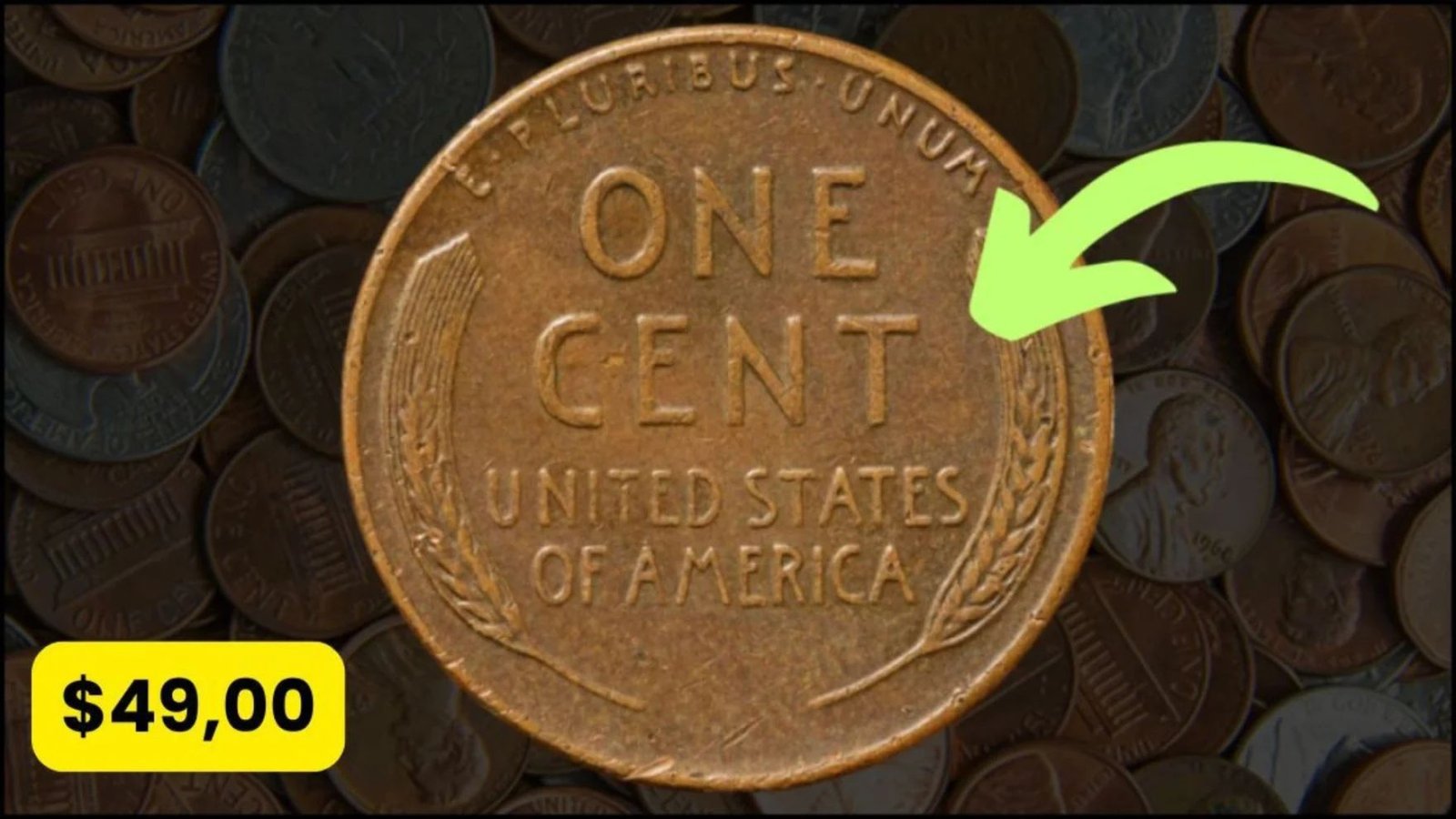

In the fascinating world of numismatics — the study and collection of coins — few stories capture the imagination like the one surrounding the Lincoln Wheat Penny. What was once the most ordinary coin in circulation, often traded for bubble gum, soda, or tucked away in a child’s piggy bank, has now transformed into a symbol of hidden fortune. Recently, a rare version of this penny stunned collectors when it was valued at a staggering $49,000. This has left many wondering: could such a coin still be lurking in your loose change, waiting to be discovered?
A Penny with a Remarkable History
The Lincoln Wheat Penny isn’t just any coin. It holds a special place in American history because it was the first U.S. coin to feature the portrait of a real person. Before 1909, American coins carried symbolic images — such as Liberty, eagles, or shields — but none depicted actual historical figures. That all changed when the U.S. Mint decided to honor the 100th anniversary of Abraham Lincoln’s birth.
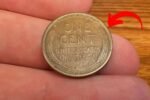
Introduced in 1909, the penny was designed by Victor David Brenner, a talented sculptor and engraver. The obverse of the coin proudly displays the bust of Abraham Lincoln, while the reverse features two wheat stalks curving around the words “ONE CENT.” It was this simple yet elegant design that earned the coin its popular nickname — the “Wheat Penny.”
The decision to place Lincoln on the penny was groundbreaking at the time. Lincoln’s enduring legacy as a unifying president during the Civil War made him a natural choice. Americans embraced the coin instantly, and it quickly became one of the most widely circulated pieces of currency in the nation.
Minting History: 1909 to 1958
The Lincoln Wheat Penny was produced from 1909 until 1958, when the design was retired and replaced with the Lincoln Memorial reverse. Over nearly five decades, billions of these coins were struck at different mints across the United States, making them fairly common in the average coin collection today.
However, while the majority of Wheat Pennies are worth little more than face value or a modest premium to collectors, certain rare editions and minting errors have skyrocketed in value. It is these elusive variations that transform an everyday coin into a life-changing discovery.
The $49,000 Wheat Penny
The most famous and valuable of these rarities is the 1943 bronze Lincoln Wheat Penny. During World War II, copper was considered a critical wartime material, essential for manufacturing ammunition and other supplies. To conserve copper, the U.S. Mint decided to strike pennies using zinc-coated steel instead. These “steel cents” have a distinct silver-gray appearance and were minted in enormous numbers.
However, through a rare and accidental occurrence, a small number of bronze planchets — leftover blanks from 1942 — were mistakenly fed into the presses in 1943. This error resulted in a handful of 1943 bronze Wheat Pennies being struck, instantly making them some of the most sought-after coins in U.S. history.
Only a few dozen examples of the 1943 bronze Wheat Penny are known to exist today. Depending on condition, these coins can fetch tens of thousands of dollars at auction. One such coin reportedly sold for $49,000, and in other cases, pristine examples have commanded even higher prices, sometimes crossing six figures.
Other Valuable Wheat Pennies
While the 1943 bronze penny is perhaps the most celebrated, it’s not the only Wheat Penny worth serious money. Several other variations and minting oddities are equally intriguing to collectors.
The 1955 Doubled Die Obverse
One of the most recognizable errors in U.S. coinage history is the 1955 doubled die Wheat Penny. Due to a misalignment during the minting process, the date and lettering on the obverse appear doubled, creating a dramatic visual effect. Collectors can easily spot this error without magnification, making it one of the most famous numismatic anomalies. Well-preserved examples can sell for $15,000 to $50,000 depending on condition.
The 1909-S VDB
When the Wheat Penny first debuted in 1909, Brenner’s initials “VDB” (for Victor David Brenner) were placed prominently at the bottom of the reverse between the two wheat stalks. However, some critics felt this was too conspicuous, and the initials were quickly removed. Only coins struck at the San Francisco Mint in 1909 with the “S” mintmark and the initials “VDB” remain, making the 1909-S VDB Wheat Penny extremely rare and valuable.
Other Mint Errors
Coin collectors also prize oddities like off-center strikes, repunched mint marks, and double die reverses. Even less dramatic errors can fetch several hundred to a few thousand dollars if they involve the Lincoln Wheat Penny.
Could a Rare Lincoln Wheat Penny Still Be in Circulation?
Given that the last Wheat Penny was minted in 1958, most people assume they’ve all been removed from circulation. While it’s true that many have been collected, hoarded, or sold over the years, the possibility of finding a rare specimen isn’t completely impossible.
Millions of Wheat Pennies remain in circulation today, often overlooked because they blend in with modern coins. You might even find them in coin jars, old purses, or family piggy banks. And while the odds of stumbling upon a 1943 bronze penny are slim, history has shown that surprises can happen. There are documented cases of individuals finding valuable Wheat Pennies in ordinary change decades after they were first struck.
How to Spot a Valuable Lincoln Wheat Penny
If you’re curious about your own pocket change, here are some tips to identify potentially rare Wheat Pennies:
- Check the Date: Look closely at coins minted before 1959, since these will have the wheat stalk reverse.
- Use a Magnet: A 1943 penny that doesn’t stick to a magnet could be one of the rare bronze errors.
- Look for Doubled Letters: Especially in 1955, when the doubled die obverse is easy to spot.
- Search for the 1909-S VDB: The initials at the bottom of the coin and the “S” mintmark are telltale signs.
- Examine Condition: Even common Wheat Pennies can fetch more in uncirculated or mint state condition.
Why Collectors Love the Lincoln Wheat Penny
Beyond its monetary value, the Lincoln Wheat Penny holds immense sentimental and historical significance. For many collectors, it represents the starting point of their numismatic journey. Its availability, simple design, and connection to Abraham Lincoln make it an enduring favorite.
The coin also tells a story of America itself — from honoring Lincoln’s legacy to adapting minting practices during wartime shortages. It is a tangible reminder of how history and economics intersect, sometimes in the smallest of ways.
Final Thoughts
The idea that a coin once worth a single cent could now be valued at $49,000 is both astonishing and inspiring. The Lincoln Wheat Penny is proof that everyday objects can carry hidden stories and unexpected fortunes. While the chances of finding a rare specimen in circulation are slim, they are not zero. This uncertainty fuels the excitement for collectors and everyday Americans alike.
So, the next time you receive change at a grocery store or stumble upon an old coin jar in the attic, take a closer look. You might just be holding a piece of history — or even a $49,000 treasure.
FAQs: The Lincoln Wheat Penny Valued at $49,000 — Still in Circulation?
1. Why is the Lincoln Wheat Penny worth $49,000?
Because of rare mint errors like the 1943 bronze penny and the 1955 doubled die obverse. These unique mistakes make certain coins extremely valuable.
2. How do I spot a rare Lincoln Wheat Penny?
Check for a 1943 penny that isn’t magnetic, a 1955 doubled die with clear doubling, or a 1909-S VDB with initials on the reverse.
3. Are Lincoln Wheat Pennies still in circulation?
Yes, though rarely. Many were collected decades ago, but some continue to surface in old change jars or loose coins passed along through generations.
Some Important Link
| Download News APP | Click Here |
| WhatsApp Group | Click Here |
| Home Page | Click Here |