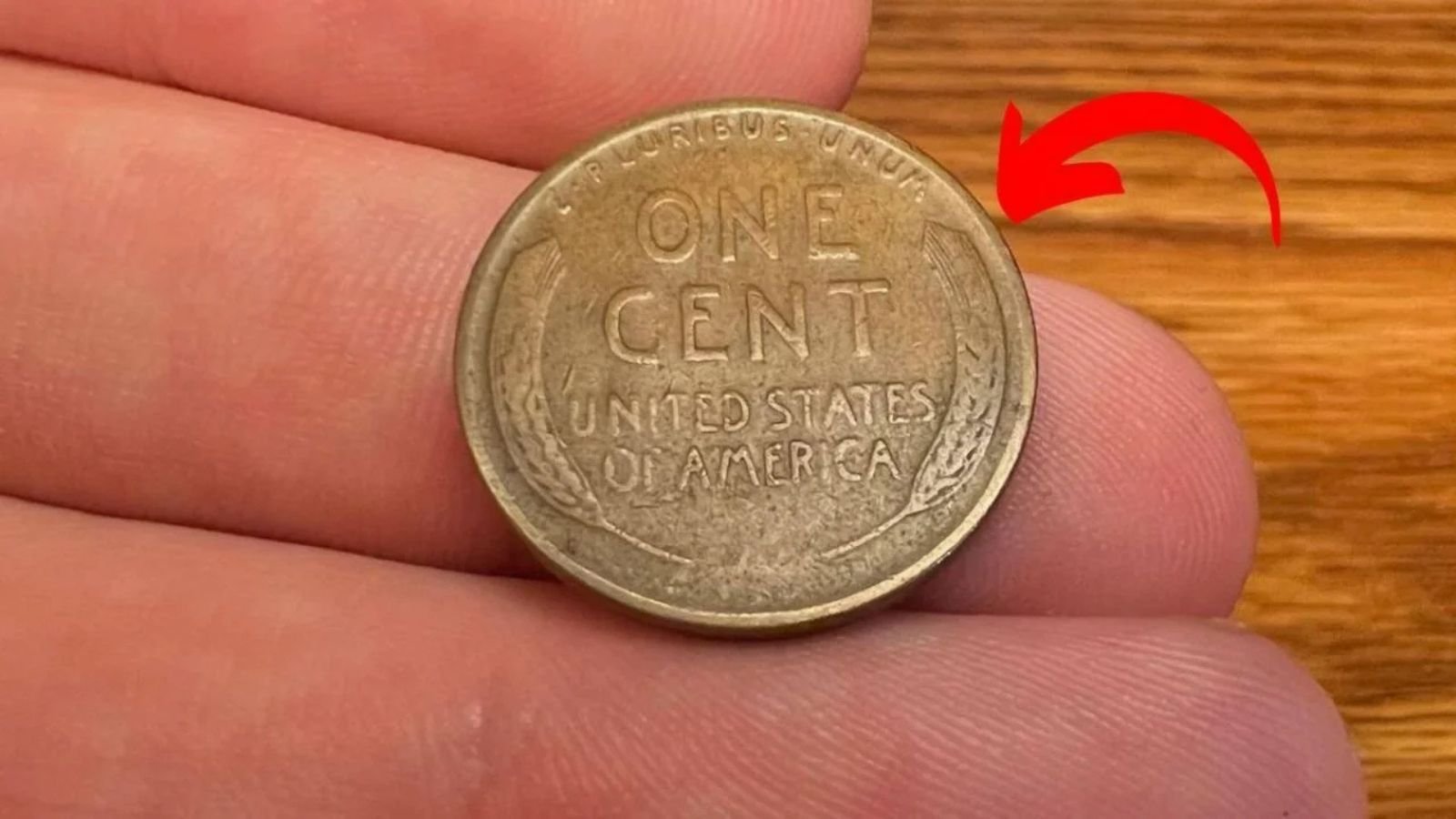

Every day, billions of pennies change hands in America without much thought. They sit at the bottom of purses, rattle around in car cup holders, and fill piggy banks across the country. But among those countless ordinary coins hides one of the greatest treasures in U.S. numismatic history — the Lincoln Wheat Penny. For most, a penny is simply a single cent. For a lucky few, however, that tiny copper coin could be worth up to $6 million.
Yes, you read that right — a coin so small and common could pay for a mansion, a luxury car collection, or a lifetime of travel. The story of the Lincoln Wheat Penny is one of history, rarity, and sheer luck — a reminder that sometimes, the most valuable things are hiding in plain sight.
The Birth of the Lincoln Wheat Penny
The Lincoln Wheat Penny was first introduced in 1909, and it immediately marked a turning point in American coin design. Until then, U.S. coins almost always featured symbolic figures — Lady Liberty, eagles, shields — but never a real historical person. That changed when President Abraham Lincoln, one of the nation’s most beloved leaders, became the face of the one-cent coin.
The decision wasn’t random. 1909 was the 100th anniversary of Lincoln’s birth, and the U.S. Mint wanted to honor him with a coin that the entire nation would see and use daily. Sculptor Victor David Brenner designed the coin, capturing Lincoln’s profile in meticulous detail.
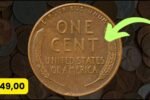
The reverse side was equally distinctive. Instead of the usual wreaths or shields, Brenner designed two stylized wheat stalks framing the words “ONE CENT” and “UNITED STATES OF AMERICA.” This gave the coin its nickname: the Lincoln Wheat Penny. It would be minted for nearly 50 years, from 1909 to 1958, surviving two world wars, the Great Depression, and profound changes in American life.
The 1943 Wartime Error That Created a $6 Million Penny
While all Lincoln Wheat Pennies have historical value, one year’s coin stands out above all others — the 1943 copper penny. Its story begins during World War II, when the U.S. government desperately needed copper for ammunition and military equipment.
To save copper for the war effort, the Mint switched penny production to zinc-coated steel, creating the silver-colored “steel penny” in 1943. However, as with many major manufacturing changes, mistakes happened. A small number of copper blanks — called planchets — from the previous year were accidentally left in the coin presses. When they went through the minting process, the result was an ultra-rare 1943 Lincoln Wheat Penny made of copper instead of steel.
Experts believe fewer than 20 of these copper pennies exist today. Their combination of extreme rarity, historical importance, and the intrigue of a wartime error has pushed their value into the millions. The highest verified sale so far? Around $1.7 million, though collectors estimate a perfect-condition specimen could fetch as much as $6 million in the right auction.
Other Valuable Lincoln Wheat Pennies
The 1943 copper penny might be the crown jewel, but it’s not the only Lincoln Wheat Penny worth serious money. Over the decades, certain minting quirks and low production runs have created other valuable varieties.
- 1909-S VDB – The very first year of the coin saw a limited run from the San Francisco Mint bearing designer Victor David Brenner’s initials (“VDB”) on the reverse. Public criticism of the visible initials led to their removal, making these coins extremely rare today. High-grade versions can bring in thousands.
- 1914-D – Minted in Denver with a notably small mintage, this penny is highly sought after by collectors. In pristine condition, it can sell for several thousand dollars.
- 1922 “No D” – In 1922, the Denver Mint was the only facility producing pennies. Worn dies on some coins caused the “D” mint mark to vanish, creating a rare error coin.
- 1955 Doubled Die – Perhaps the most visually striking error, this coin shows dramatic doubling in the date and inscriptions, making it instantly recognizable and valuable.
While these coins may not reach the multimillion-dollar range of the 1943 copper penny, they can still represent significant windfalls for anyone lucky enough to find one.
Could You Have a Million-Dollar Penny?
One of the most exciting things about the Lincoln Wheat Penny is that these valuable versions occasionally still appear in everyday life. While most have been pulled from circulation, discoveries do still happen — sometimes in old jars of coins, sometimes in inherited collections.
In 2019, a Massachusetts family made headlines when they found a 1943 copper penny in their late father’s coin stash. He had kept it since childhood without realizing its true worth. Stories like this fuel the dreams of treasure hunters everywhere.
The key takeaway? Never assume that an old penny is worthless.
How to Identify a Valuable Lincoln Wheat Penny
If you’re serious about checking your change or a family collection for hidden treasures, here’s what you need to do:
- Check the reverse design. Look for the two wheat stalks framing “ONE CENT.” That tells you it’s a Wheat Penny, minted between 1909 and 1958.
- Examine the date and mint mark. The date is under Lincoln’s bust. If there’s a mint mark (S for San Francisco, D for Denver), it will be just below the date.
- Know the key dates. These include 1909-S, 1909-S VDB, 1914-D, 1922 no D, 1931-S, and of course any 1943 copper penny.
- Test for 1943 authenticity. Most 1943 pennies are steel and magnetic. A real copper version will not stick to a magnet.
- Assess the condition. The coin’s grade — from heavily worn to uncirculated — can dramatically impact value. Even a common date in pristine condition can be worth several dollars.
The Historical Significance of the Lincoln Wheat Penny
Beyond their market value, Lincoln Wheat Pennies are miniature time capsules of American history. They circulated during the Roaring Twenties, jingled in pockets during the Great Depression, and helped fund candy purchases, bus fares, and war bonds during World War II.
Think about it — a single Lincoln Wheat Penny might have been in the hands of a factory worker in 1910, a soldier shipping out in 1942, or a teenager at a soda fountain in the 1950s. Each coin carries the silent history of the countless people who used it.

For collectors, that sense of connection is just as valuable as the monetary worth. It’s one reason why numismatics — the study and collecting of coins — remains such a passionate hobby.
Handling and Selling a Rare Find
If you suspect you’ve found a valuable Lincoln Wheat Penny, proper care is essential:
- Handle with care. Hold the coin only by the edges to avoid damaging the surface.
- Store safely. Use acid-free coin holders or protective flips designed for long-term preservation.
- Authenticate professionally. Services like PCGS (Professional Coin Grading Service) or NGC (Numismatic Guaranty Company) can confirm a coin’s authenticity and assign a grade, which is critical for determining value.
- Sell smart. Rare coins can be sold through reputable dealers, specialty auction houses, or major coin shows. Never rush into a sale — compare offers to ensure you’re getting fair market value.
Why the Lincoln Wheat Penny Still Captivates Collectors
Even decades after the last one rolled off the presses in 1958, the Lincoln Wheat Penny remains one of the most popular coins among collectors. Part of the appeal is accessibility — anyone can start a collection by simply looking through spare change. But the real magic is the dream: that one day, you might stumble upon a coin worth hundreds, thousands, or even millions of dollars.
The combination of history, rarity, and the thrill of the hunt ensures that the Lincoln Wheat Penny will always have a special place in the coin-collecting world. And as surviving examples become scarcer with each passing year, the odds — and the potential value — only increase.
Final Thoughts
The humble Lincoln Wheat Penny is proof that extraordinary value can hide in the most ordinary places. Whether it’s the famous 1943 copper penny worth millions or another rare date from the early 20th century, these coins tell a uniquely American story of innovation, history, and chance.
So, the next time you’re handed change at the store or find an old coin jar in the attic, take a closer look. You might just be holding a piece of history — and possibly, a small fortune — in the palm of your hand.
Some Important Link
| Download News APP | Click Here |
| WhatsApp Group | Click Here |
| Home Page | Click Here |