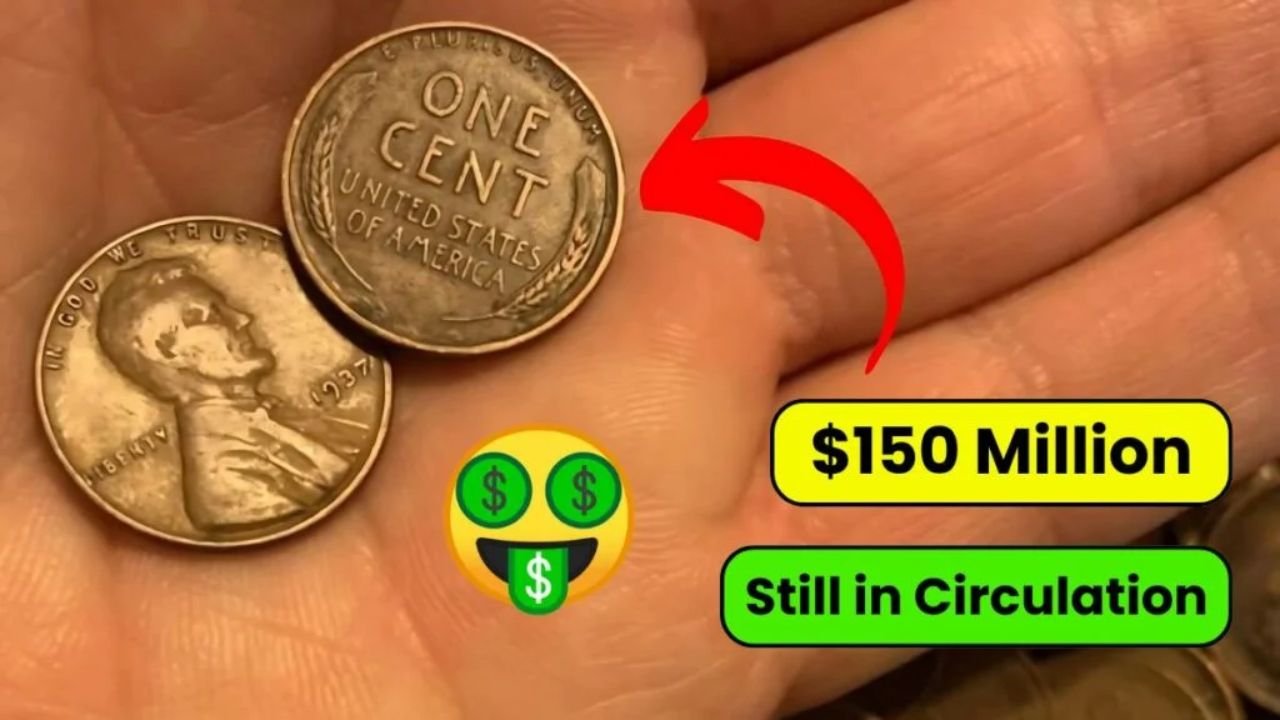

In a world where gold bars and rare silver dollars often take center stage, one modest copper coin is quietly creating millionaires—the Lincoln Wheat Penny. This unassuming piece of American currency, once used daily for everyday purchases, is now one of the most talked-about coins in the collector’s market. Whether tucked away in an old piggy bank or discovered at the bottom of a junk drawer, the right Lincoln Wheat Penny could change your financial future.
In this comprehensive guide, we’ll explore the history, value, and remarkable versions of the Lincoln Wheat Penny. We’ll also teach you how to identify the most valuable specimens and where to find them. Coin enthusiasts and casual collectors alike may want to take a closer look at their spare change—because hidden treasure could be just one penny away.
A Brief History of the Lincoln Wheat Penny
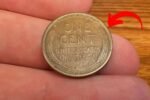
The Lincoln Wheat Penny made its debut in 1909, introduced by the U.S. Mint to celebrate the 100th birthday of President Abraham Lincoln. Designed by Victor David Brenner, it became the first U.S. coin to feature a real person instead of an allegorical figure. On the obverse is Lincoln’s profile, while the reverse features two stylized wheat ears bordering the words “ONE CENT” and “UNITED STATES OF AMERICA.”
Minted until 1958, the coin’s wheat-back design symbolized agricultural prosperity and American resilience. Over the decades, billions of Lincoln Wheat Pennies were minted. But among them lie rare, error-ridden, and low-mintage versions that are now worth thousands—or even millions—of dollars.
Why Some Lincoln Wheat Pennies Are Worth Thousands
While most Lincoln Wheat Pennies aren’t worth more than a few cents above face value, certain key factors can dramatically increase their market value:
1. Low Mintage Numbers
Coins with limited production runs are naturally rare. Years like 1909 (San Francisco), 1914-D, and 1931-S had particularly low outputs.
2. Minting Errors
Coins with unique flaws, such as double dies, off-center strikes, or missing mint marks, are considered rare collectibles. These production anomalies are incredibly sought after.
3. Metal Composition
Most Lincoln Wheat Pennies are copper, but wartime versions—like the 1943 steel penny—were made from alternative metals. A few 1943 coins were accidentally struck in copper, and those are worth a fortune.
4. Condition (Grading)
The physical state of the coin—known as its “grade”—greatly influences its value. Uncirculated or “Mint State” coins with minimal wear command higher prices than those with nicks and scratches.
Top Lincoln Wheat Pennies Making Collectors Rich
Over the years, several specific versions of the Lincoln Wheat Penny have become legendary in the numismatic world. Let’s explore the most profitable ones:
➤ 1909-S VDB Lincoln Wheat Penny
This coin is often called the crown jewel of Wheat Pennies. Only 484,000 were minted in San Francisco with the designer’s initials “VDB” prominently displayed. The public outcry led to the initials being removed, making the existing coins exceptionally rare. A well-preserved 1909-S VDB can easily fetch between $5,000 and $50,000.
➤ 1914-D Lincoln Wheat Penny
Produced at the Denver Mint, the 1914-D penny had a mintage of just over 1 million coins. However, very few high-grade examples survive today. Clean, undamaged versions have sold for upwards of $3,000 to $15,000.
➤ 1922 No D Lincoln Wheat Penny
In a minting accident at the Denver facility, a small number of 1922 pennies were released without the customary “D” mint mark. Collectors call these “No D” pennies, and depending on condition, they can sell for $10,000 or more.
➤ 1931-S Lincoln Wheat Penny
During the Great Depression, the U.S. Mint scaled back coin production. Only 866,000 of these coins were minted in San Francisco, making it one of the lowest mintage Wheat Pennies. Its scarcity gives it tremendous value, often selling for several thousand dollars.
➤ 1955 Double Die Lincoln Wheat Penny
This iconic error coin features noticeable doubling in the inscriptions “LIBERTY” and “IN GOD WE TRUST.” It’s one of the most dramatic and popular minting errors among collectors. A quality version of this Lincoln Wheat Penny can fetch as much as $25,000 or more.
Also Read – Bajaj Pulsar RS400Z 2025: A New Age Superbike Crafted for Indian Roads and Racers Alike
How to Identify a Valuable Lincoln Wheat Penny
Before you start tossing your change into the coin jar, take a few extra minutes to inspect each Lincoln Wheat Penny—you might be surprised what you find. Here are some helpful tips:
✔ Check the Year
Focus on coins minted in key years: 1909, 1914, 1922, 1931, 1943, and 1955. These are the big-money dates.
✔ Look at the Mint Mark
Located below the date, mint marks can be “D” for Denver, “S” for San Francisco, or none for Philadelphia. Some years with certain mint marks are more valuable than others.
✔ Inspect for Errors
Use a magnifying glass to check for doubled dates, missing mint marks, or misaligned text. These types of minting errors significantly increase a coin’s worth.
✔ Evaluate the Condition
Coins that are glossy, detailed, and free from scratches have greater appeal. Grading scales run from 1 (Poor) to 70 (Perfect Mint State). The higher the grade, the better the value.
✔ Use a Magnet
In 1943, most pennies were made of steel to conserve copper for the war. If you find a 1943 penny that doesn’t stick to a magnet, it may be one of the ultra-rare copper versions.
FAQs About Lincoln Wheat Pennies
1. How can I tell if my Lincoln Wheat Penny is valuable?
Check for rare dates, mint marks, and signs of error. If you suspect value, have the coin appraised or graded professionally.
2. What is the rarest Lincoln Wheat Penny?
The 1909-S VDB and the 1943 copper penny are among the rarest and most valuable.
3. Should I clean my Wheat Penny?
No. Cleaning can damage a coin and drastically reduce its value. Always leave it in its natural condition.
4. Where can I sell a rare Lincoln Wheat Penny?
You can sell through auction houses, certified coin dealers, coin shows, or online platforms like eBay. However, professional grading is highly recommended before listing.
5. Can I still find Lincoln Wheat Pennies in circulation?
Yes, though it’s rare. Many collectors report finding valuable coins in rolls of pennies from banks, estate sales, or family coin jars.
Final Thoughts: Your Spare Change Could Be a Treasure Chest
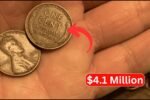
The Lincoln Wheat Penny may be small in size, but it holds a giant place in the world of coin collecting. From historical significance to minting mistakes, these pennies carry stories that span generations—and in some cases, fortunes.
Next time you’re handed pennies at a checkout line or cleaning out your attic, keep an eye out for these little copper marvels. That overlooked penny might be your ticket to joining the ranks of collectors who turned pocket change into thousands—or even millions—of dollars.
Never underestimate the power of knowledge and a curious eye. In the world of rare coins, even a humble Lincoln Wheat Penny can be the key to unimaginable wealth.
Some Important Link
| Download News APP | Click Here |
| WhatsApp Group | Click Here |
| Home Page | Click Here |