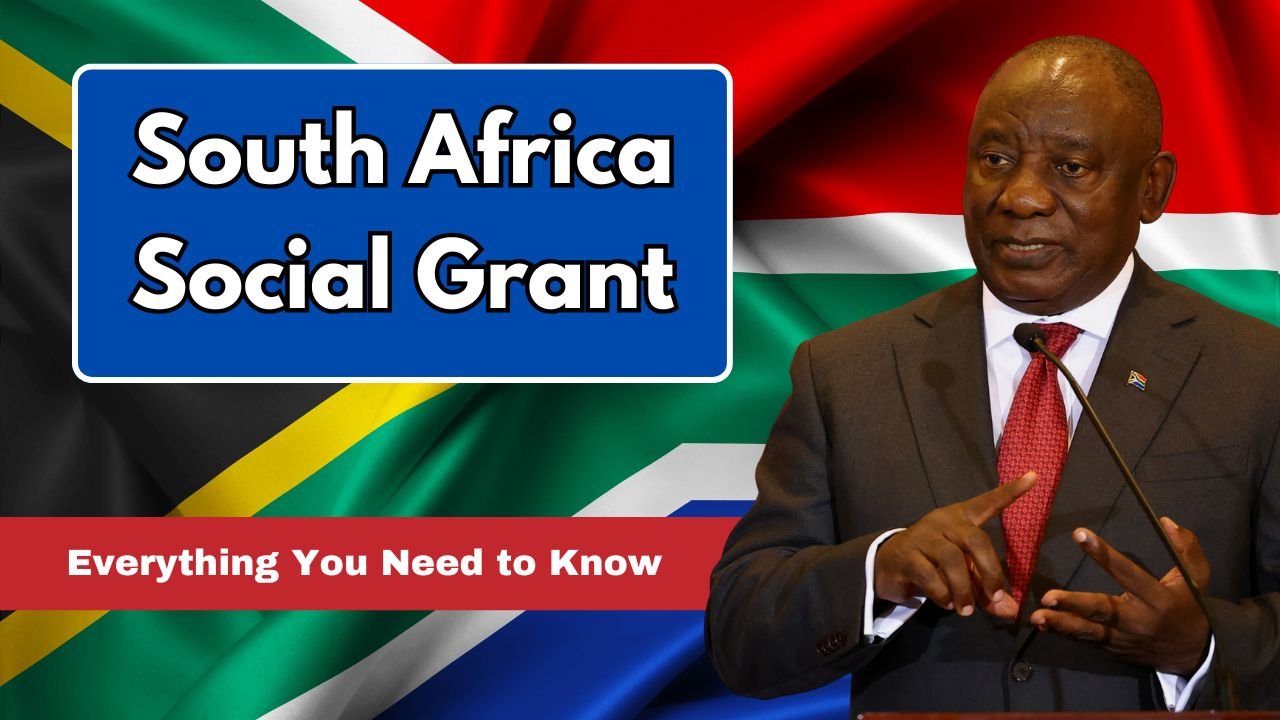

In a major step toward economic equity and social upliftment, the South African government has introduced significant updates for 2025. The changes include increases to the South Africa Social Grant programs and a nationwide adjustment to the minimum wage. These policy revisions aim to support millions of low-income households, pensioners, caregivers, and workers who continue to struggle with the soaring cost of living.
For many families, the South Africa Social Grant system is more than just financial aid—it’s a lifeline. And now, with new increases confirmed, this safety net is being strengthened. Let’s explore what these updates mean, who qualifies, and how these developments affect ordinary South Africans in 2025.
Key Highlights of 2025
- Social Relief of Distress (SRD) grant increased from R350 to R370 per month
- Old Age, Disability, and Child Support Grants receiving regular increments
- National Minimum Wage raised to R28.79 per hour
- Government aims to offset inflation, enhance dignity, and promote economic inclusion
2025 South Africa Social Grant Increases: What’s Changing?
Social Relief of Distress (SRD) Grant
The SRD grant—initially introduced as a pandemic-era emergency measure—has proven to be an essential form of support for unemployed individuals. In 2025, the South Africa Social Grant program increased the SRD grant from R350 to R370 per month.
Though the R20 monthly increase may seem minor, for recipients with no income, it provides critical aid. It enables beneficiaries to meet small yet important needs like buying bread, toiletries, or data for job-seeking purposes. Given the current rate of inflation, this increase reflects the government’s intent to adjust support in line with cost-of-living realities.
Other Social Grants: Old Age, Disability, and Child Support
In addition to the SRD grant, core South Africa Social Grant payments such as:
- Old Age Grant
- Disability Grant
- Child Support Grant
will also see steady increases throughout the year. While the increments may vary, the Department of Social Development and South African Social Security Agency (SASSA) has pledged to provide quarterly and potentially monthly updates to grant amounts based on economic indicators and inflation data.
For pensioners, individuals living with disabilities, and caregivers of young children, these grants ensure access to basic food, healthcare, clothing, and shelter. In many rural areas, the South Africa Social Grant is the primary or only income source, making it a key factor in reducing poverty and maintaining dignity.
2025 Minimum Wage Adjustment: A New Floor for Workers
Beginning in March 2025, the National Minimum Wage in South Africa is officially set at R28.79 per hour. For a full-time employee working 40 hours a week, this amounts to approximately R2,265 per month.
The adjustment marks a commitment to ensure that wages keep pace with inflation. It targets:
- Entry-level employees
- Domestic workers
- Farmworkers
- Retail and hospitality staff
- Learners in training programs
This change underlines the government’s broader goal: to not only protect vulnerable workers but also promote income equality and sustainable economic growth. For many South Africans, earning a fair wage is a pathway out of poverty and into self-reliance.
Also Read – £725 Universal Credit Increase Coming In 2026 – What Claimants Should Know
Breakdown of 2025 Minimum Wage Rates
| Worker Type | New Rate per Hour (2025) |
|---|---|
| General Employees | R28.79 |
| Domestic Workers | R27.67 |
| Farmworkers | R28.25 |
| Learners (stipend) | Varies by program |
These wage rates apply across provinces and are legally enforceable under labor law. Employers failing to comply may face penalties, and workers are encouraged to report discrepancies.

Who Benefits From These Updates?
Both the South Africa Social Grant increase and minimum wage adjustment directly benefit several key groups:
1. Grant Recipients
Individuals receiving SRD, Old Age, Disability, or Child Support grants will enjoy enhanced financial support throughout 2025. For many, this means better nutrition, the ability to purchase school uniforms, and access to medical care.
2. Low-Wage Workers
Workers in domestic and agricultural sectors—often among the lowest-paid in the country—will see a noticeable improvement in their earnings. This extra income helps cover household costs and reduce dependency on external support.
3. Low-Income Households
Families with both wage earners and grant recipients will benefit from a dual-source income boost. These homes can experience greater stability, better budgeting, and increased financial freedom.
4. Young Job Seekers
With the SRD grant and wage floor lifted, young people transitioning from school to the job market can expect a slightly more manageable financial landscape.
Why the Increases Were Necessary
Economic conditions in South Africa have put tremendous pressure on vulnerable groups. Rising food prices, electricity tariffs, fuel hikes, and limited job opportunities have left millions struggling to make ends meet.
The South Africa Social Grant program has long been a pillar of social justice in the country. However, in recent years, critics argued that payment amounts were falling behind inflation. These 2025 changes respond to those concerns and aim to create a fairer, more sustainable social protection system.



How to Remain Eligible for South Africa Social Grant Benefits
To continue receiving your South Africa Social Grant in 2025, you must ensure your information is accurate and up to date. Here are a few action steps:
1. Update Personal Details
Change of address? New phone number? You must notify SASSA as soon as possible. Incorrect data can delay or halt your payment.
2. Declare Income Changes
If you begin receiving income—whether from a job, business, or another source—you are required to declare it. Non-disclosure may result in disqualification or suspension.
3. Respond to Review Notices
SASSA regularly conducts beneficiary reviews. If you receive a notification requesting documentation or verification, respond promptly.
4. Avoid Duplicate Applications
Each person is only allowed one active application per grant. Submitting duplicates may flag your profile for investigation.

These compliance steps are essential to maintain uninterrupted access to the South Africa Social Grant system.
What Employers Need to Do
Businesses across South Africa must now ensure that payroll systems are updated to reflect the new minimum wage. Employers should:
- Adjust pay slips to show the R28.79/hour rate
- Audit part-time and casual labor contracts
- Train HR teams on wage compliance laws
- Prepare for labor inspections
If you’re a worker and you notice your wage has not been updated, you have the right to raise the issue with your employer or report it to the Department of Employment and Labour.
The Broader Impact on the South African Economy
The 2025 updates to the South Africa Social Grant system and national wage floor are more than budgetary adjustments—they’re catalysts for change.
Key Projected Benefits:
- Improved health outcomes as families can afford more nutritious food
- Lower school dropout rates as parents manage education costs better
- Reduced poverty-related crime
- Stimulated local economies through higher consumer spending
These measures are expected to help lift hundreds of thousands of South Africans out of extreme poverty while promoting dignity, opportunity, and social cohesion.
Are There Future Changes Ahead?
Yes. The South African government has committed to regularly indexing social grants and the minimum wage to inflation and cost-of-living indicators.
This means further updates are likely in 2026 and beyond. The government is also exploring:
- Expanding the SRD grant into a permanent basic income grant
- Digital payment upgrades to reduce fraud
- Integration of health and education benefits into the South Africa Social Grant system
These efforts reflect a long-term strategy to modernize South Africa’s social welfare architecture and better serve those in need.
Final Thoughts
The South Africa Social Grant and minimum wage increases confirmed for 2025 represent a clear response to economic hardship and the growing call for fairer social support. For millions of citizens—from the elderly to children, from job seekers to minimum-wage earners—these changes could mean the difference between survival and stability.
Whether it’s the additional R20 from the SRD grant or the improved wages for workers across the country, every rand counts. In a nation where inequality remains a pressing issue, the steps taken in 2025 are crucial building blocks toward a more inclusive, empowered South Africa.
If you or someone you know relies on a South Africa Social Grant, be sure to stay informed, comply with regulations, and take full advantage of the support available this year.
Some Important Link
| Download News APP | Click Here |
| WhatsApp Group | Click Here |
| Home Page | Click Here |